The History of Downtown Orlando and the Central Business District
Downtown Orlando, often referred to as the heartbeat of the city, boasts a rich and colorful history that reflects the evolution of Orlando itself. As the Central Business District (CBD), it has been the epicenter of commerce, culture, and community, playing a crucial role in shaping the identity of the city. Let’s dive into its fascinating journey.
Early Beginnings
Downtown Orlando’s origins date back to the mid-19th century, with the establishment of Fort Gatlin in the 1830s to protect settlers from Native American tribes during the Second Seminole War. By the late 1850s, Orlando emerged as a small settlement, primarily dependent on agriculture, particularly cattle farming and citrus production. The area’s growth accelerated after Orlando was officially incorporated as a city in 1875.
The Railroad Era and Economic Expansion
The arrival of the South Florida Railroad in the 1880s marked a pivotal moment for Downtown Orlando, as it transformed the city into a transportation hub and facilitated economic growth. With easier access to other parts of Florida, Orlando became a magnet for settlers, merchants, and entrepreneurs, giving rise to a bustling commercial core in what is now the CBD.
During the late 19th and early 20th centuries, Downtown Orlando saw the emergence of iconic buildings such as the Angebilt Hotel and the Rogers Building, both symbols of the city’s burgeoning prosperity. The CBD became the focal point for banks, shops, and businesses catering to the growing population.
Post-War Development and Urban Renewal
Following World War II, Downtown Orlando underwent significant changes as the city experienced rapid suburbanization. While many families moved to surrounding neighborhoods, the CBD remained vital as the home of key businesses, government offices, and cultural institutions. The construction of iconic structures like the Orange County Courthouse in the mid-20th century further cemented Downtown’s importance.
Urban renewal efforts in the latter half of the 20th century sought to revitalize the area, leading to the creation of public spaces, parks, and infrastructure improvements. One notable project was the construction of Lake Eola Park, which became a beloved gathering spot for residents and visitors alike.
The Modern Era: Economic and Cultural Renaissance
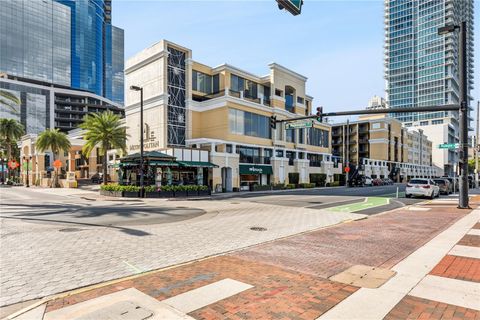
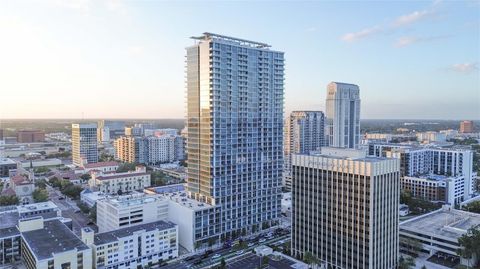
Today, Downtown Orlando is a dynamic blend of historic charm and modern innovation. The Central Business District serves as a hub for financial institutions, corporate headquarters, and high-rise developments, reflecting Orlando’s status as a major economic player in the region.
Cultural landmarks like the Dr. Phillips Center for the Performing Arts and the Amway Center have added vibrancy to the area, while annual events such as the Orlando Film Festival and parades contribute to its appeal. Downtown’s nightlife scene, with restaurants, bars, and clubs, ensures it remains a lively destination.
The area has also embraced sustainability and innovation, with developments like Creative Village serving as a prime example of urban planning that integrates technology, education, and community.
Conclusion
Downtown Orlando and its Central Business District have come a long way from their humble beginnings as an agricultural settlement. Its growth reflects Orlando’s evolution into a global city that values its history while embracing the future. As a nexus for commerce, culture, and connectivity, Downtown Orlando remains an integral part of the city’s identity and its aspirations for tomorrow.
The History of the South Eola Neighborhood in Downtown Orlando, FL
South Eola, a vibrant and modern neighborhood in downtown Orlando, is steeped in history that has shaped its identity as one of the city’s most dynamic areas. From its early beginnings to its current status as a hub for urban living, South Eola’s story is intertwined with the development of Orlando itself.
Early Foundations: Jacob Summerlin’s Legacy
The history of South Eola is closely tied to Jacob Summerlin, a prominent figure in Orlando’s early years. Summerlin, known as “the largest cattle owner in the world,” purchased 200 acres of land in the area in 1874, including what is now Lake Eola and Lake Eola Park. He transformed a sinkhole on the land into Lake Eola by tapping into an aquifer, creating a natural landmark that remains central to the neighborhood’s identity.
Summerlin’s contributions extended beyond land development. He played a key role in ensuring Orlando retained its status as the seat of Orange County after a courthouse fire threatened to relocate it. His influence helped shape the city’s early governance and infrastructure.
Development and Growth
As Orlando prospered financially in the late 19th century, South Eola became one of the original areas of the city. The neighborhood’s proximity to Lake Eola Park made it a desirable location for residents and businesses alike. Over time, South Eola evolved into a blend of residential and commercial spaces, reflecting the city’s growth and modernization.
Modern Era: Urban Living and Cultural Significance
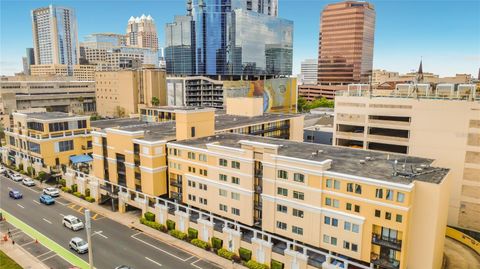
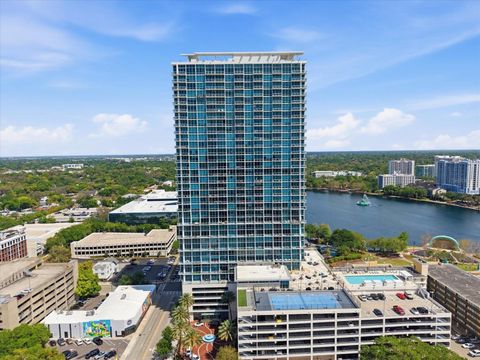
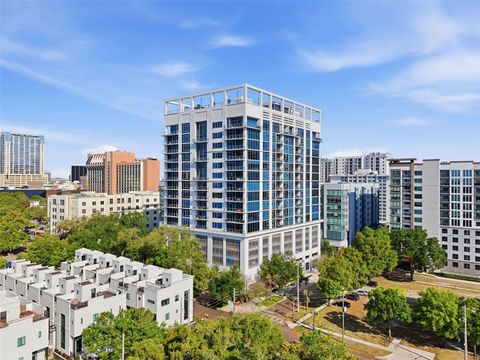
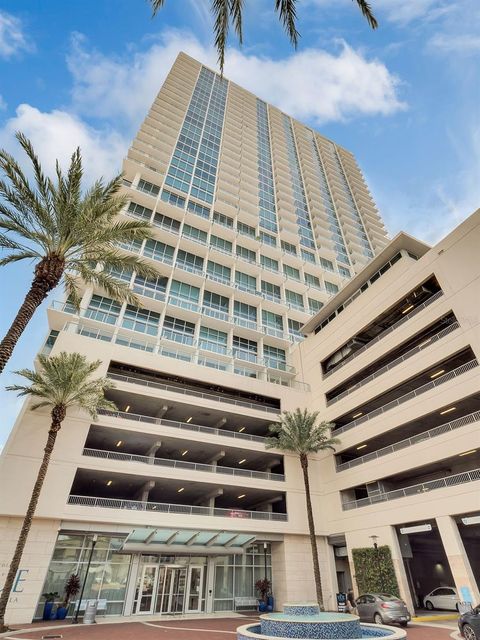
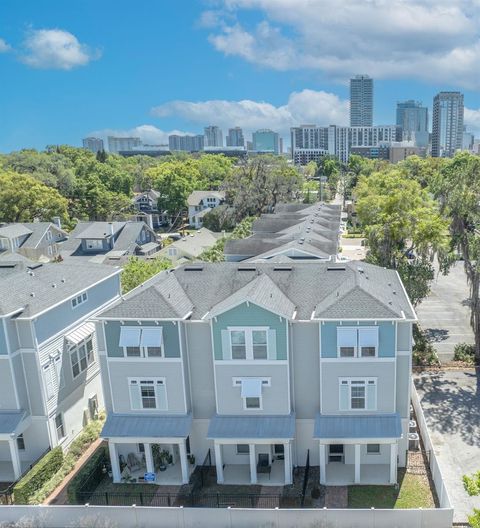
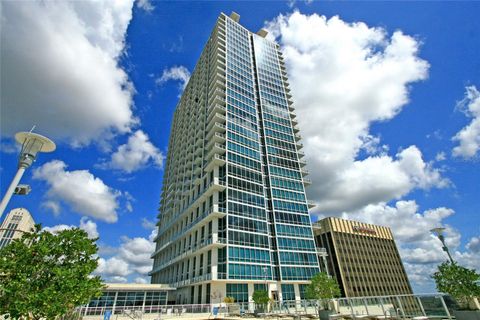
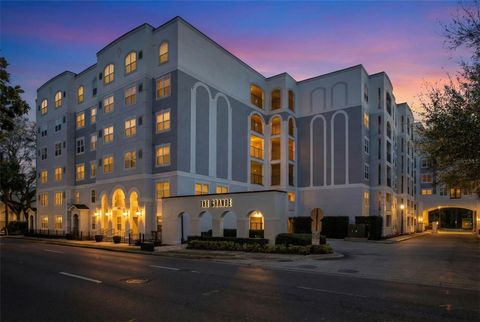
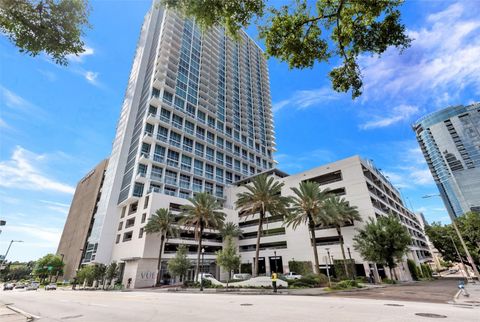
Today, South Eola is known for its luxury high-rise buildings, townhomes, and bustling social atmosphere (1). The neighborhood offers an urban living environment that attracts residents seeking a vibrant lifestyle. Lake Eola Park remains a focal point, hosting events, festivals, and recreational activities that bring the community together.
South Eola’s history is also marked by notable landmarks, such as the Cherry Plaza Hotel, which played a role in shaping Central Florida’s future (1). The neighborhood’s rich heritage continues to influence its development and cultural significance.
Conclusion
The South Eola neighborhood is located in downtown Orlando, Florida, and has a history closely intertwined with the broader development of downtown Orlando. The South Eola neighborhood is a testament to Orlando’s transformation from a humble settlement to a world-class city. Its history, shaped by influential figures like Jacob Summerlin and its connection to Lake Eola Park, highlights the area’s importance in the city’s narrative. As South Eola continues to thrive, it remains a cherished part of downtown Orlando’s identity.
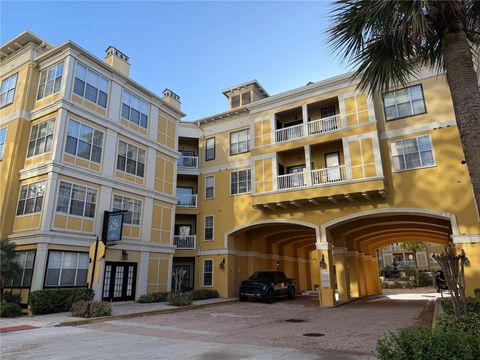
Originally, the area that is now South Eola was primarily residential, with homes dating back to the early 20th century. As downtown Orlando grew and evolved, the neighborhood became increasingly urbanized, with the construction of apartment buildings and condominiums interspersed among the historic homes.
One of the defining features of the South Eola neighborhood is Lake Eola Park, a 23-acre public park located at the center of the neighborhood. The park surrounds Lake Eola, a picturesque body of water that has been a focal point of downtown Orlando since the city’s early days. Lake Eola Park has undergone various renovations and improvements over the years, including the addition of a signature fountain, walking paths, and recreational facilities, making it a popular destination for residents and visitors alike.
In the late 20th and early 21st centuries, South Eola experienced significant revitalization and redevelopment efforts. The construction of high-rise condominium buildings and luxury apartment complexes transformed the neighborhood’s skyline, attracting new residents and businesses to the area.
Additionally, the South Eola neighborhood has become known for its vibrant dining and entertainment scene, with numerous restaurants, cafes, bars, and shops lining the streets surrounding Lake Eola Park.
Today, South Eola is a thriving urban neighborhood characterized by its mix of historic homes, modern condominiums, and bustling commercial areas. Its prime location in downtown Orlando, coupled with its scenic surroundings and amenities, make it a desirable place to live, work, and play in Central Florida.
The History of Thornton Park Neighborhood in Downtown Orlando, FL
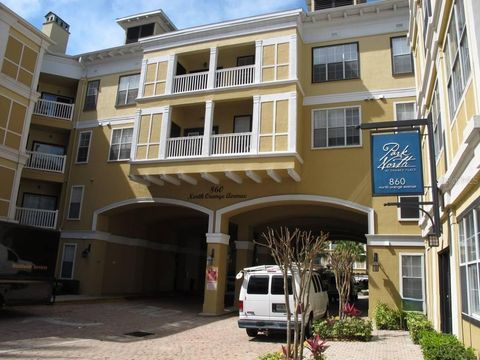
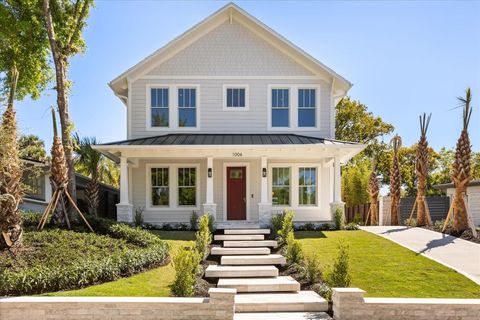
Thornton Park, a charming and eclectic neighborhood in downtown Orlando, is celebrated for its cobblestone streets, boutique shops, and vibrant atmosphere. Its history is deeply rooted in Orlando’s development, reflecting the city’s transformation over the decades. The Thornton Park neighborhood is one of the oldest and most historic neighborhoods in Orlando, Florida. Its history dates back to the late 19th century when Orlando was experiencing significant growth and development
Early Development: The Vision of James Thornton
Thornton Park owes its name and early development to James Thornton, a local developer who played a pivotal role in shaping the neighborhood. In the early 20th century, Thornton began laying the foundation for what would become one of Orlando’s most sought-after areas. Streets like Thornton Avenue and James Street were named in his honor, marking his influence on the neighborhood’s identity.
By 1915, Thornton Park had established itself as a quaint village within Orlando, characterized by its brick streets and proximity to Lake Eola. The neighborhood attracted residents and businesses, becoming a hub of activity and community life.
Post-War Challenges and Decline
After World War II, Thornton Park faced challenges as suburbanization drew families and businesses away from downtown Orlando. The opening of Colonial Plaza, Orlando’s first suburban shopping mall, in the 1960s further contributed to the neighborhood’s decline. Additionally, the rise of Walt Disney World in 1971 shifted the city’s focus westward, impacting Thornton Park’s appeal.
During this period, the neighborhood experienced a decline in population and infrastructure, with Lake Eola even earning the nickname “Lake Eerie-ola” due to crime and neglect in the area.
Revitalization and Modern Renaissance
The 1980s marked a turning point for Thornton Park, as revitalization efforts began to restore its charm and vibrancy. Longtime residents, along with then-Mayor Bill Frederick, spearheaded initiatives to designate key areas as historic sites and improve the neighborhood’s infrastructure.
This wave of revitalization attracted a new influx of residents, including young professionals and members of the LGBTQ+ community, who sought an authentic and inclusive urban environment. Thornton Park’s cobblestone streets, boutique shops, and restaurants became a symbol of its renaissance.
Today: A Thriving Urban Oasis
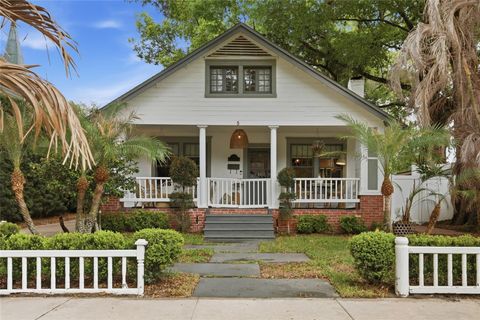
Today, Thornton Park is a thriving neighborhood that seamlessly blends historic charm with modern amenities. Its proximity to Lake Eola Park makes it a popular destination for residents and visitors alike, offering a vibrant mix of dining, shopping, and entertainment options. Thornton Park is a vibrant and diverse neighborhood known for its historic homes, tree-lined streets, and thriving dining and entertainment scene. Its central location, just east of downtown Orlando, makes it a desirable place to live, work, and play for residents and visitors alike. With its mix of historic charm and modern amenities, Thornton Park continues to be one of Orlando’s most sought-after neighborhoods.
The neighborhood’s history is celebrated through its preservation efforts and community events, ensuring that Thornton Park remains a cherished part of downtown Orlando’s identity.
The charm, character and appeal of Downtown Orlando Florida
Downtown Orlando stands as the vibrant core of one of Florida’s most dynamic cities. While Orlando is often celebrated as the gateway to world-renowned theme parks, its downtown area offers an entirely unique allure—a blend of history, culture, innovation, and community that enchants both residents and visitors. Let’s explore what makes Downtown Orlando so captivating.
Rich History and Architectural Charm
Downtown Orlando is steeped in history, with its streets reflecting the city’s evolution over the years. Landmarks such as the historic Angebilt Hotel and the Rogers Building serve as reminders of the area’s early prosperity during the railroad era. The juxtaposition of historic structures with sleek, modern high-rises creates a skyline that is both timeless and forward-looking.
The charm of the city extends to its carefully preserved brick-paved streets and intimate parks, particularly Lake Eola Park, which has been an iconic centerpiece of downtown for over a century. The park’s swan boats, picturesque fountain, and surrounding sculptures embody the neighborhood’s unique character.
Cultural and Artistic Appeal
Downtown Orlando is the cultural heartbeat of the city. The Dr. Phillips Center for the Performing Arts hosts world-class theater productions, concerts, and events that draw audiences from all over. The nearby Amway Center is a hotspot for major sporting events, concerts, and shows, further enhancing the area’s appeal.
Public art installations and murals pepper the streets of downtown, adding splashes of creativity to its urban landscape. Events like the Orlando Fringe Festival and the Orlando Museum of Art’s exhibitions bring a continuous wave of artistic expression to the area.
Dynamic Neighborhoods
Downtown Orlando is home to distinctive neighborhoods, each with its own character. Thornton Park is known for its cobblestone streets and stylish boutiques, offering a chic and relaxed vibe. South Eola surrounds Lake Eola Park and exudes an urban charm with luxury residences and trendy eateries. Church Street District blends historical flair with lively nightlife and entertainment options, making it a favorite destination for evening outings.
Dining, Nightlife, and Entertainment
Downtown Orlando offers an eclectic mix of dining options, from farm-to-table restaurants to international cuisines. Its vibrant nightlife scene boasts rooftop bars, cozy pubs, and energetic dance clubs, catering to all tastes. Foodies and partygoers alike find themselves drawn to the area for its innovative offerings.
Live music venues and performance spaces, such as the Plaza Live, keep the entertainment flowing, ensuring that downtown remains a hub for memorable experiences.
Community and Connectivity
One of Downtown Orlando’s most appealing qualities is its sense of community. Residents and visitors alike enjoy a welcoming atmosphere, with weekly farmers markets, yoga sessions by Lake Eola, and cultural festivals that foster connections. Its walkable streets and reliable public transportation make exploring downtown a breeze.
Conclusion
Downtown Orlando combines history, culture, and innovation to create an irresistible destination. Whether you’re strolling by Lake Eola, enjoying live theater, or savoring cuisine at a local eatery, the charm and character of Downtown Orlando leave a lasting impression. This urban gem not only serves as the commercial and cultural hub of the city but also stands as a testament to Orlando’s ability to blend the past with the future.
Downtown Orlando’s character and appeal stem from its vibrant cultural scene, diverse entertainment options, historic charm, and thriving business environment, making it a dynamic destination for residents, visitors, and businesses alike.